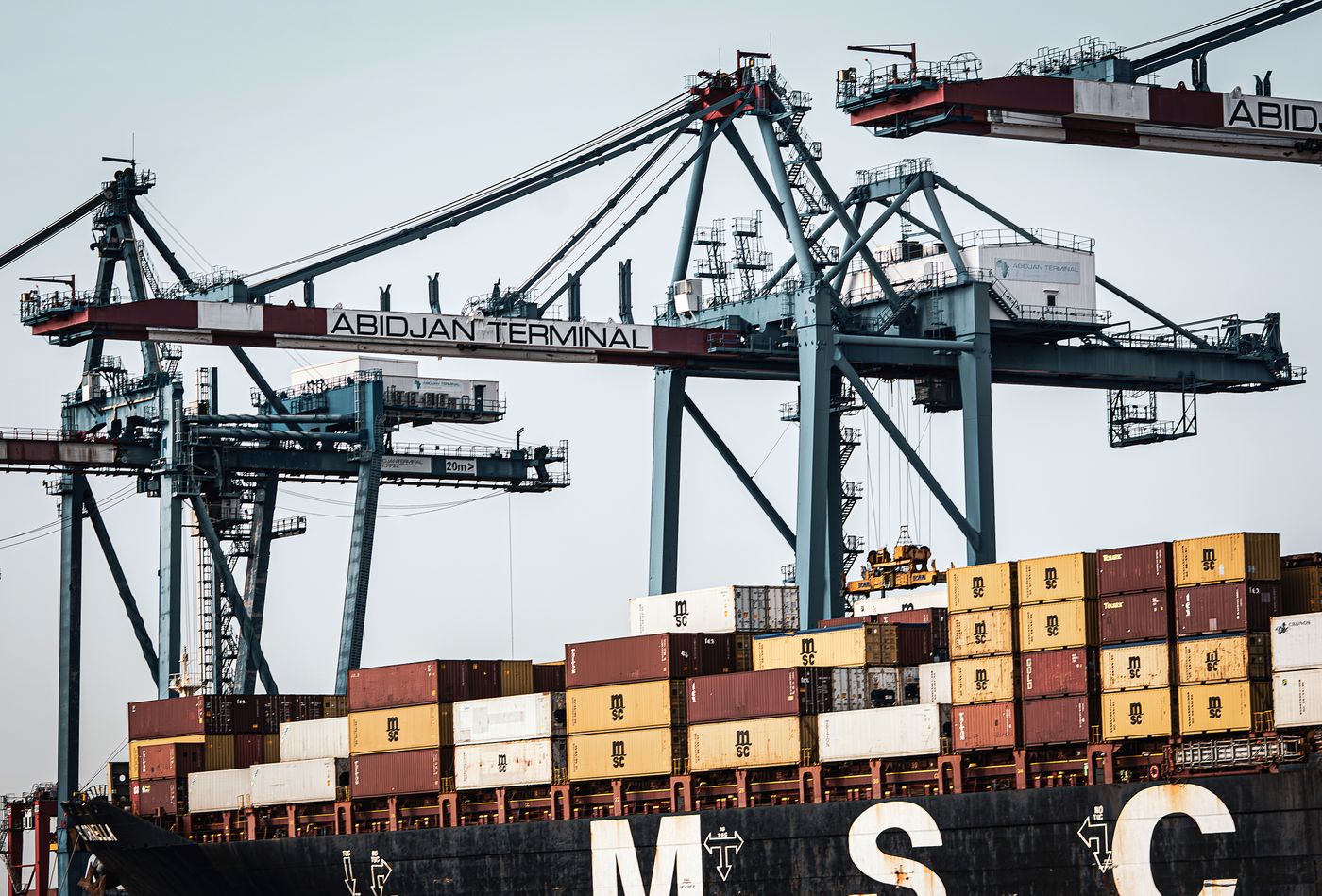
On 1 May 2026, China extended zero-tariff treatment to all 53 African countries with which it maintains diplomatic ties, up from 33, according to China Daily. Six months on, bilateral trade in the first nine months of 2026 reached $312.11 billion—up 22.3 percent year-on-year—while Chinese imports from Africa rose 18.5 percent to $109.14 billion. But as African exporters queue at the China International Import Expo in Shanghai, three questions remain unanswered: which products qualify for zero tariffs, who audited the list, and will lower duties translate into processing jobs in Nairobi and Abidjan or simply cheaper inputs for Shenzhen?
What Happened
China's National Development and Reform Commission held a press conference in its "Striving for the 15th Five-Year Plan" series, at which China's Ministry of Commerce pushed the Africa zero-tariff plan, according to BigGo Finance on 11 November 2026. The policy, which took effect 1 May 2026, benefits an additional 20 countries including Kenya, Ghana and South Africa, and will remain in place for newly covered countries through April 2028, China Daily reports. At this year's CIIE—the world's largest import-themed expo—Kenyan avocado exporter Sunripe managing director Tiku Shah said China's tariff cuts have given his expansion plans a boost: the company has shipped 500 to 600 metric tons of avocados to China this year and plans to double shipments in 2027. Chinese fruit importer Joy Wing Mau reported that tariffs on South African citrus fell from 10 to 12 percent to zero in May, cutting import costs by about 10 percent; the company's South African citrus imports have risen 50 percent year-on-year since the policy took effect, according to Huang Li, head of brand communications. Côte d'Ivoire—the world's largest cocoa producer—made its official CIIE debut this year with more than 20 companies showcasing cocoa, cashews and tropical fruits in a roughly 200-square-metre booth, according to Kaladji Fadiga, director-general of the Côte d'Ivoire Export Agency. Free exhibition space for least-developed countries at CIIE increased by 17 percent this year. South Africa's National Association of Automotive Component and Allied Manufacturers participated for the first time, with head of skills and people development Lebalang Molobele calling the zero-tariff expansion "very opportune" for component suppliers to BMW and Mercedes-Benz seeking to diversify from Europe and the United States.
Why It Matters
For African exporters, zero tariffs lower the landed cost of fresh produce, citrus, nuts and automotive components in the Chinese market—but the policy says nothing about where value is captured. Shah told China Daily that eliminating tariffs "makes our products cheaper and more affordable, so more Chinese people can enjoy them"—a consumer benefit, not a producer margin gain. Huang Li confirmed import costs fell 10 percent for South African citrus, yet it is Joy Wing Mau, the Chinese importer, reporting the 50 percent volume surge, not a named South African grower collective. The question is whether duty-free access incentivises African governments and private capital to build processing capacity at origin, or simply makes raw and semi-processed exports more competitive, locking in commodity status. For the UK-Africa corridor, the implication is that British buyers of African cocoa, cashews or automotive components may face intensified competition from Chinese importers newly freed of tariff disadvantage.
Follow the Value
- Kenyan avocados: Sunripe ships 500 to 600 metric tons to China; no tariff saving disclosed, no statement on farmgate prices or packhouse investment. Shah cites 25-day sea freight and one-day customs clearance as advantages—logistics efficiency, not value capture.
- South African citrus: Joy Wing Mau's import costs fell 10 percent; volumes up 50 percent year-on-year. No South African exporter or grower co-operative quoted on whether they retained any of the tariff saving or whether Chinese buyers simply negotiated lower FOB prices.
- Ivorian cocoa: Côte d'Ivoire brought 20 companies to CIIE showcasing cocoa, cashews and tropical fruit. No mention of chocolate manufacture, cocoa butter extraction or cashew roasting at origin—raw and semi-processed exports remain the presumption.
- South African auto components: Molobele says zero tariffs are "opportune" for diversification, but the association represents suppliers to European OEMs. No Chinese joint venture, technology transfer or local assembly partnership announced.
- Chinese importers and processors: Joy Wing Mau captures the 10 percent cost saving and volume growth. No African importer, processor or branded manufacturer named in the source material.
- Risk and certification: China has upgraded its "green channel" for African agricultural and food products, streamlining quarantine procedures—but no detail on phytosanitary audit burden, cold-chain investment or who bears the cost of compliance.
The Questions That Need Answering
- Which products qualify for zero tariffs, and who audited the list? The source material states "zero-tariff treatment" but provides no schedule, HS code classification or published product inventory—African exporters and trade ministries deserve transparency.
- Did African exporters retain any of the tariff saving, or did Chinese buyers simply negotiate lower FOB prices? Joy Wing Mau reports 10 percent lower import costs and 50 percent volume growth, but no South African citrus exporter is quoted confirming higher farmgate returns or reinvestment in packhouses.
- Why is Côte d'Ivoire—the world's largest cocoa producer—showcasing cocoa beans at CIIE rather than branded chocolate bars manufactured in Abidjan? Tariff-free access for raw cocoa perpetuates the colonial trade model unless matched by domestic processing incentives.
- Will China's 15th Five-Year Plan include technology transfer, co-investment in African processing zones or blended finance for value addition, or merely procurement targets? The Ministry of Commerce is pushing the zero-tariff plan in the context of the 15th Five-Year Plan, but the source material offers no detail on industrial policy linkage.
- How does China's zero-tariff policy for 53 African states interact with AfCFTA rules of origin and intra-African value chains? If Kenyan avocados flow duty-free to Shanghai but face tariff and non-tariff barriers within Africa, Beijing's trade policy may inadvertently undermine regional integration.
- What is the UK government's response to intensified Chinese competition for African commodities and components? British buyers have no equivalent blanket zero-tariff offer for 53 African states; the UK-Africa Investment Summit rhetoric has not translated into comparable trade access.
The Brew Brief View
China's extension of zero-tariff treatment to all 53 African diplomatic partners is a significant trade policy move, and the 22.3 percent jump in bilateral trade to $312.11 billion in nine months is material. But tariff elimination is not the same as value capture. The source material quotes Chinese importers celebrating cost savings and volume growth, a Fudan economist theorising about future African investment in "higher-value processing," and African exporters expressing optimism—yet not one African processor, roaster, manufacturer or finance minister is cited confirming that duty-free access has unlocked capital for domestic industrialisation. Until we see evidence that zero tariffs are accompanied by Chinese co-investment in Ivorian cocoa processing, Kenyan avocado packhouses with controlled-atmosphere storage, or South African automotive component plants with technology transfer, this policy risks entrenching Africa's position as a duty-free raw material supplier to the world's second-largest economy. The uncomfortable question is whether African governments negotiated tariff elimination as a standalone trade concession or as part of a broader industrial partnership. The fact that the Ministry of Commerce is promoting the zero-tariff plan in the context of China's 15th Five-Year Plan—a domestic strategic blueprint—suggests Beijing sees this as procurement policy, not development co-operation. African trade ministries, the African Union and AfCFTA Secretariat need to publish the product schedules, demand reciprocal investment in processing capacity, and ensure that tariff-free access does not simply make it cheaper for Chinese buyers to extract value offshore.
This daily brief was drafted with AI from the sources below and reviewed by the editor before publishing. How we use AI