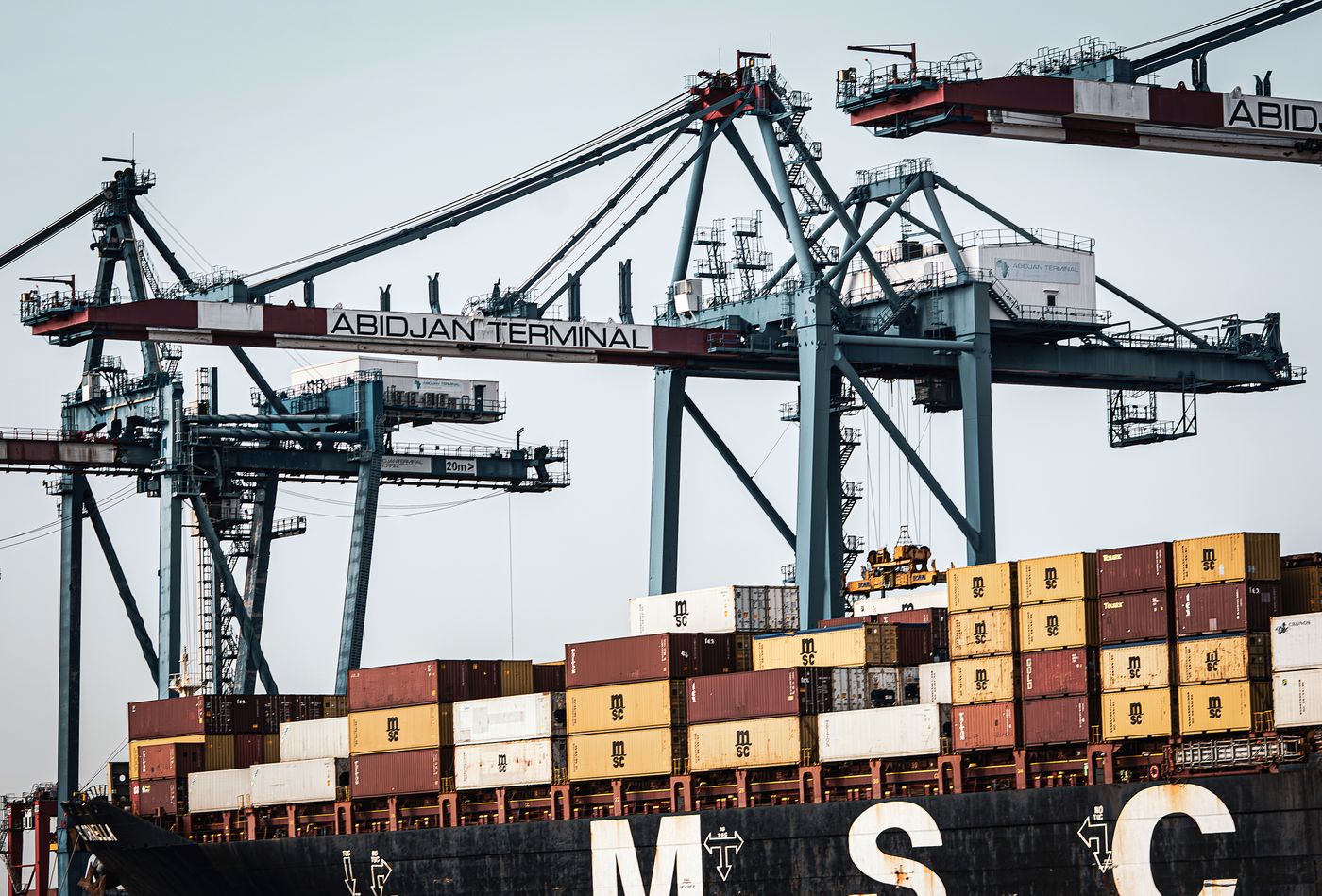

Uganda earned $241.29 million from exports to the East African Community in August 2026, while imports amounted to $1.05 billion, leaving the country with an $809 million trade deficit, according to data compiled by the Uganda Development Bank research department and reported by AllAfrica. Kenya alone accounted for approximately 68 per cent of Uganda's total imports from the regional bloc—$714.5 million worth—against which Uganda exported a mere $41.05 million, creating a bilateral deficit of $673.45 million. The imbalance raises a blunt question: why can't Uganda produce what it buys from its neighbours?
What Happened
Uganda's overall merchandise trade deficit widened by 263.5 per cent from July to $817.03 million in August, as imports surged by 42 per cent to $2.31 billion while export earnings increased by only 6.4 per cent to $1.5 billion, according to AllAfrica. Within the EAC, Tanzania was the second-largest source of imports, supplying goods worth $203.6 million (about 19.4 per cent of Uganda's regional imports), while Uganda exported only $13.8 million to Tanzania, resulting in a $189.8 million deficit. Uganda recorded trade surpluses with the Democratic Republic of Congo ($77.1 million), South Sudan ($56.71 million) and Rwanda ($21.89 million), but these were insufficient to offset the much larger deficits with Kenya, Tanzania and Burundi. The worsening trade balance comes amid pressure on the Uganda shilling, which the Bank of Uganda has partly linked to the country's external imbalances, raising concerns about imported inflation as the cost of foreign goods and inputs rises. Coffee export earnings—Uganda's leading agricultural export revenue source—fell by 11 per cent from $204.08 million in July to $181.65 million in August, mainly driven by a 12.86 per cent reduction in export volumes to 737,766 bags of 60 kilogrammes each, according to AllAfrica.
Why It Matters
Kenya's $714.5 million export figure to Uganda in August alone suggests that Ugandan consumers and businesses are purchasing finished goods, intermediate inputs and possibly agro-processed products that could, in theory, be manufactured or grown domestically. The 42 per cent month-on-month surge in overall imports indicates either a sudden spike in domestic demand, stockpiling behaviour, or a collapse in local production that forced buyers to source from abroad. For African producers and investors, Uganda's predicament illustrates the risk of regional integration without corresponding investment in productive capacity: open borders become one-way streets for foreign exchange to exit. The Ministry of Finance, Planning and Economic Development has attributed the deteriorating trade balance partly to persistent non-tariff barriers, including protectionist measures, inconsistent regulations and arbitrary border policies that raise the cost of moving goods across the region, according to AllAfrica. In Tanzania, reported obstacles include non-standardised weighbridges, frequent roadblocks and a lack of mutual recognition of product standards and calibration certificates; in Burundi, Ugandan traders have faced a 10 per cent surtax on imported steel reinforcement bars; and Ugandan exports to Kenya have faced restrictions affecting dairy products, poultry and sugar. Presidents Yoweri Museveni and William Ruto met in October 2026, and trade ministers signed an agreement aimed at eliminating remaining barriers affecting agricultural and industrial products, but businesses remain cautious about whether all restrictions will be permanently removed, given that some changes require legislative action.